
Teaching Projects · 01 Reading and Exploring Language
Current Insight
Reading the World, One Article at a Time
One article at a time — understanding, thinking and language.
Current Insight is an article-based reading project. We explore one article at a time, going beyond comprehension to understand its ideas, follow the writer’s thinking and discover the language behind the text.
Each article usually takes two connected classes: the first focuses on meaning and ideas; the second explores vocabulary and language.
Class One: Understanding the Article
Look, Observe and Wonder
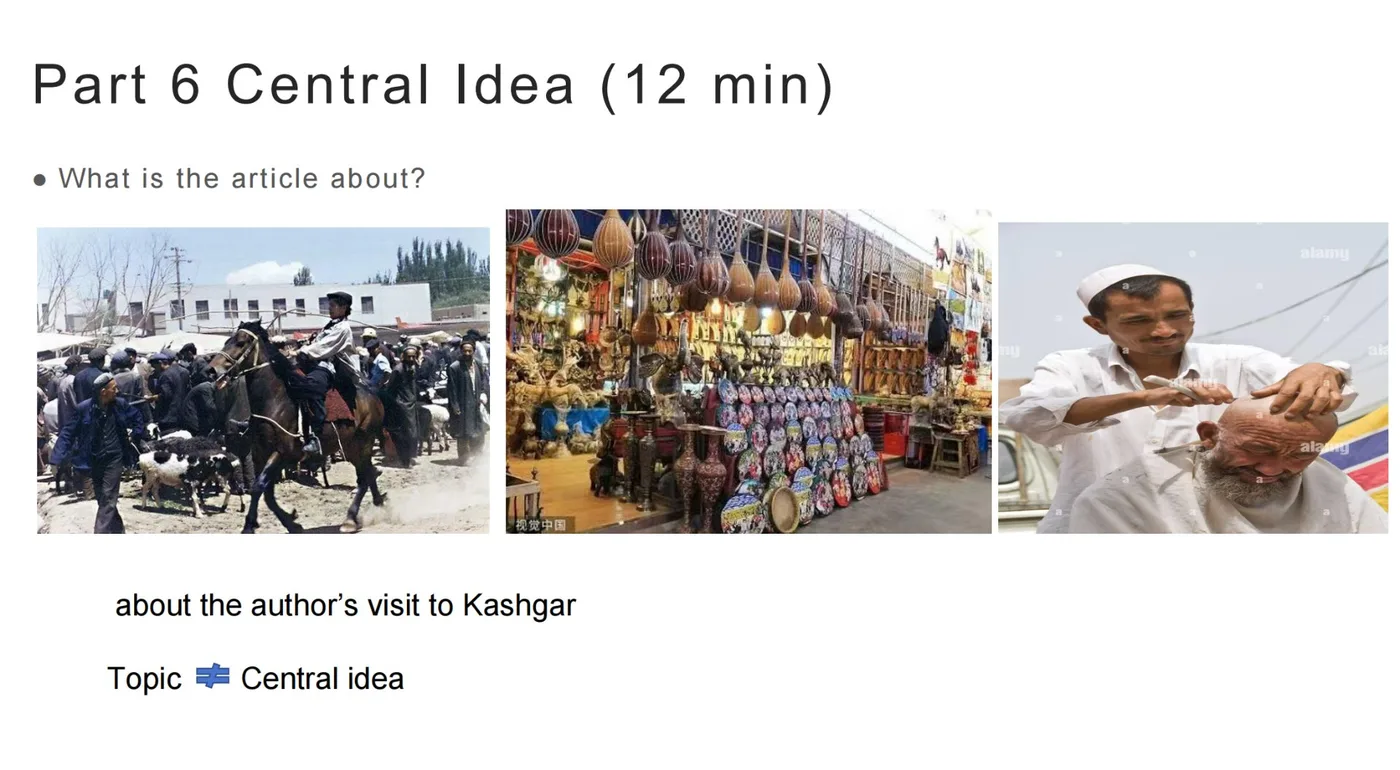
We often begin with pictures related to the article. They help us imagine the places, people and events behind the sentences.
We talk about what we see, share ideas and make predictions before reading.

Read and Follow the Ideas
The learner reads the article independently. As we move through the paragraphs, we pause to identify their main ideas and build a paragraph map.
Depending on the article, we may also use a branch map or flow map to explore details, connections and the development of ideas.
We move from meaning to logic, then consider the article as a whole: What is the writer trying to tell us? How does the writer develop the ideas?
Materials
Current Insight reading articles
Focus
Understanding, thinking and language
Lessons
Two connected classes per article
Class Two: Exploring Language
Discover Words Through Images
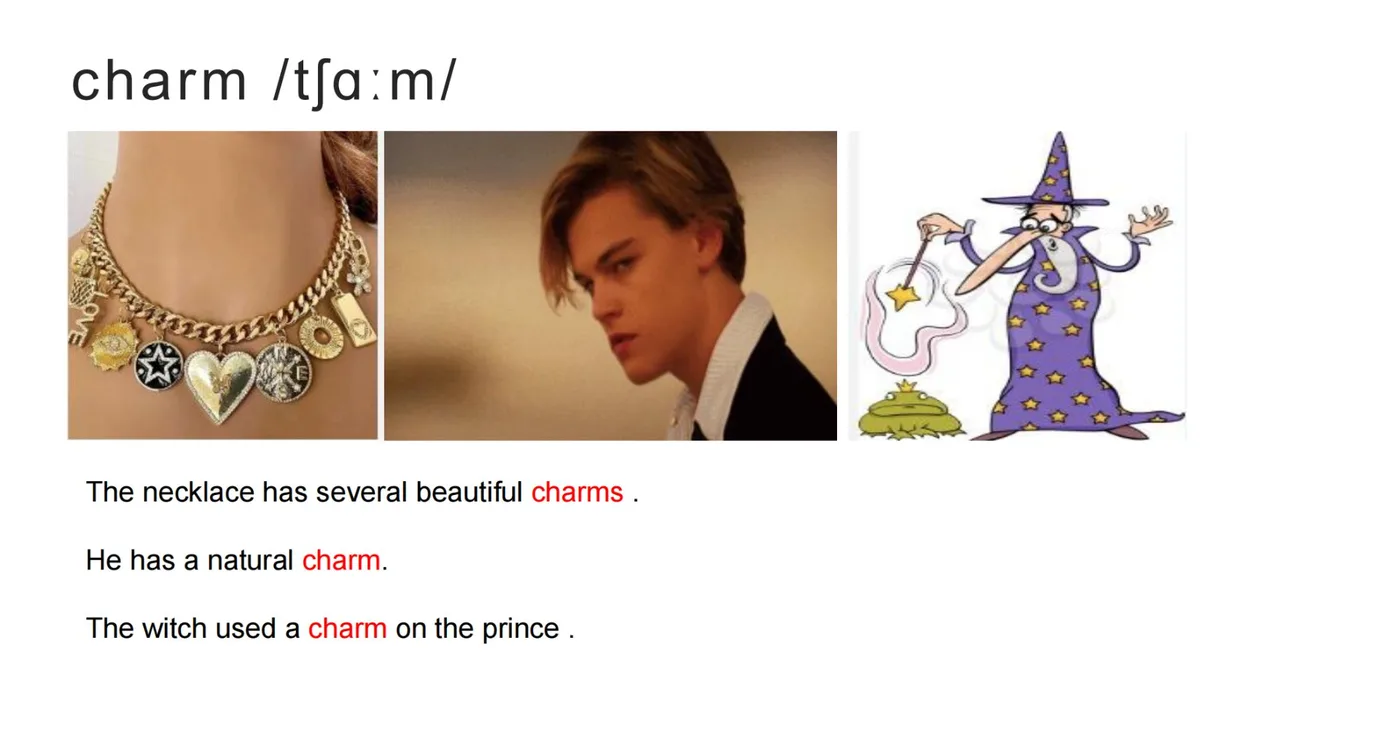
Pictures help make the meaning of words visible. Instead of relying only on Chinese translations, we connect words with images, situations and the context of the article.
Look Inside Words
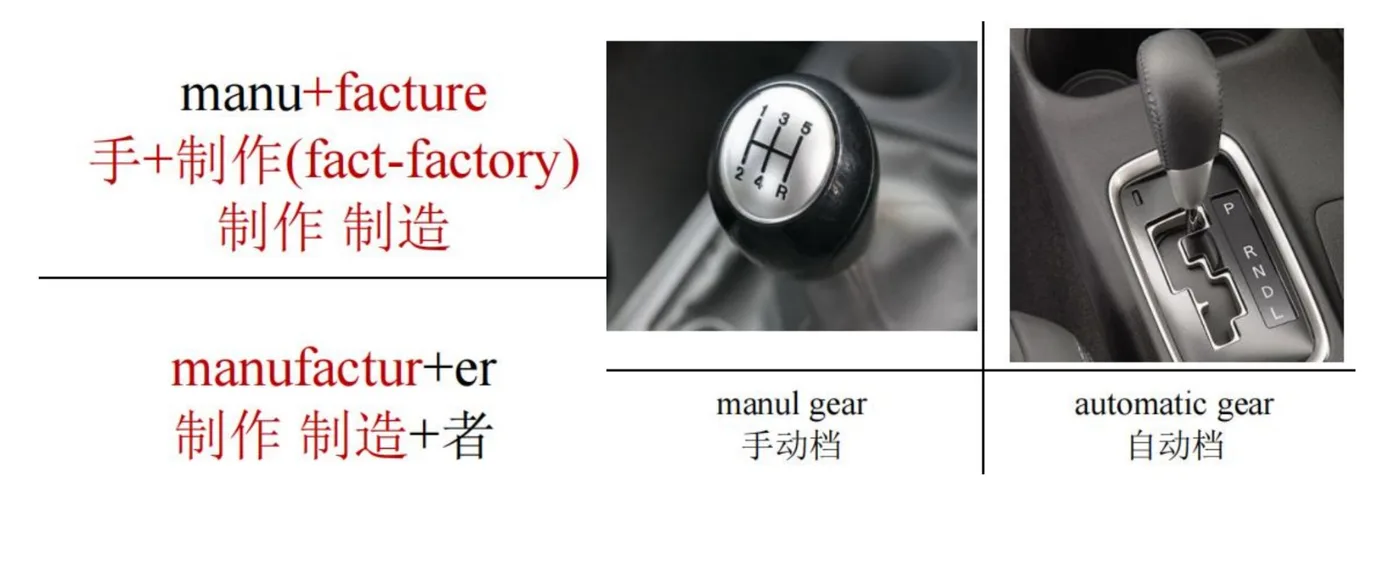
We explore prefixes, roots and suffixes, and discover how words are formed and connected through word families.
Appreciate the Language
We notice interesting expressions and sentence patterns, and consider how the writer’s choice of words creates images, feelings and atmosphere.
We read the article aloud at the beginning and again at the end of the class. After exploring its language, we can often hear and appreciate the text in a different way.
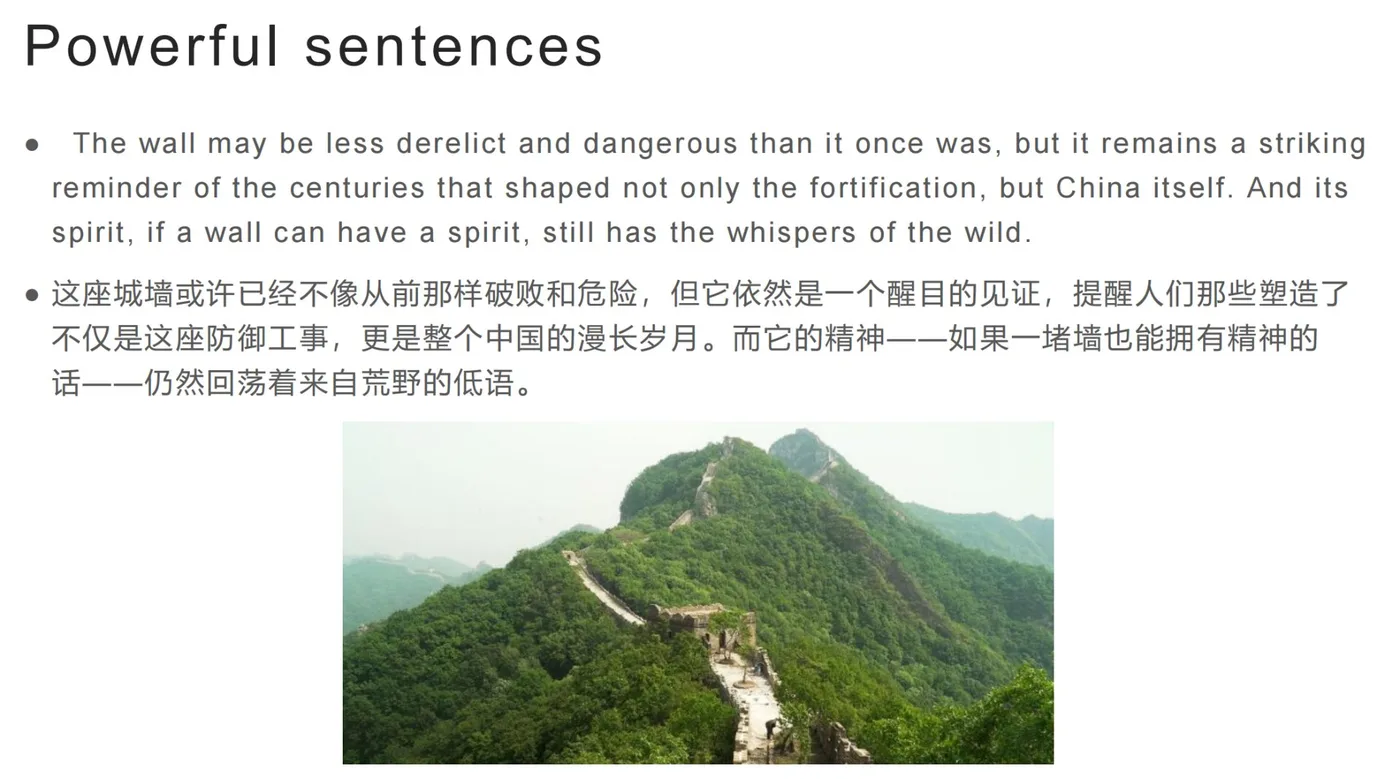
A Reading Journey: Kashgar on the Silk Road
One article took us to Kashgar, beginning with pictures of the city and scenes from different people’s daily lives.
We discussed travel, settled life and the meaning of home before reading. As we followed the article, we explored the Silk Road, the lively Sunday bazaar and the people who traded there.
But the article gradually moved beyond describing a place. The writer began reflecting on the attraction of settled life and the feeling of belonging. This shift gave us a new way to understand the article as a whole.
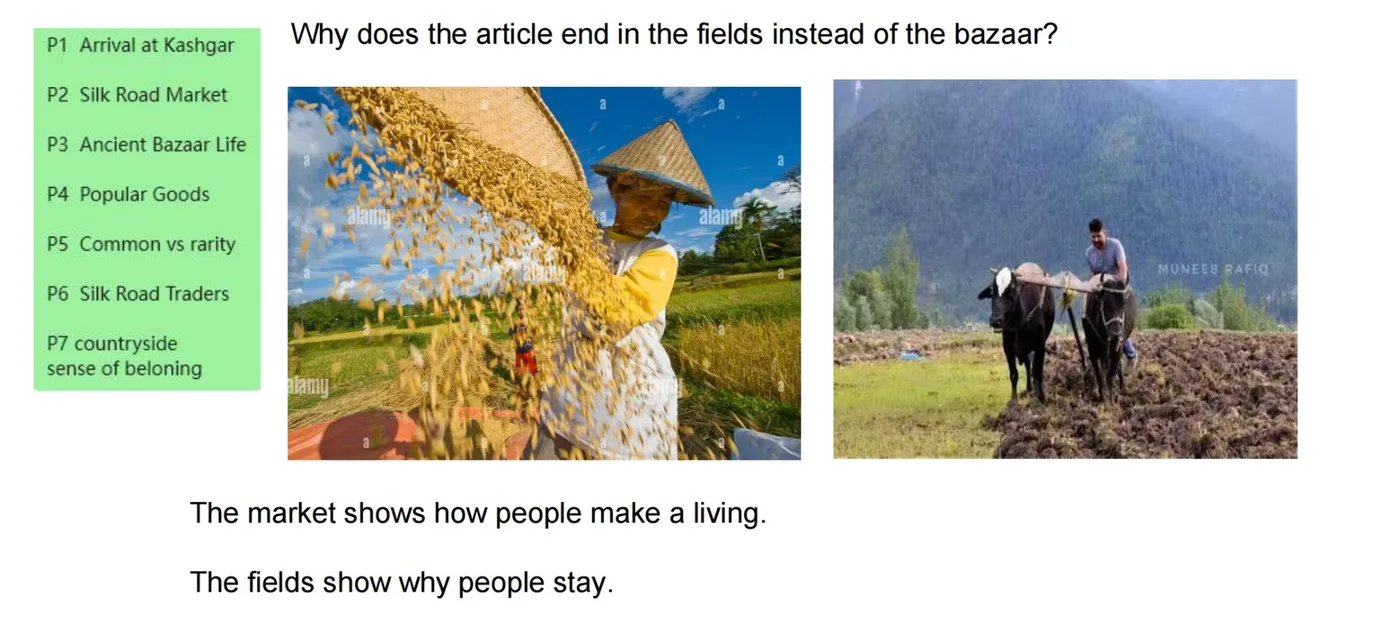
Beyond the Questions
Comprehension questions are part of the reading material, but they are not the centre of our lessons. The learner first checks the answers independently, and we discuss them briefly when needed.
What matters more is learning to understand an article, follow its ideas, notice its language and connect what we read with the wider world.
Read for meaning. Follow the writer’s thinking.
See the language. Discover how words work.