Teaching Projects · Reading Longer Novels
Reading Holes Together
A Mother and Son’s Reading Journey

Reading, talking and growing together.
Reading Holes by Louis Sachar has become a special part of our English-learning journey.
Being both a mother and an English teacher to my own son is not always easy. I can spend time planning lessons, selecting reading materials and preparing activities, only to find that my plans don’t always work out. Sometimes he simply doesn’t feel like studying, and there is no one else to step in and take over. Teaching someone else’s child can be much more straightforward.
But reading a novel together is different. He reads independently while I listen, and we usually talk about the story after each chapter. There is no need for every moment to follow a lesson plan. Sometimes, enjoying the story and having a good conversation is already enough.
This project records not only what we discover in the book, but also our experience of learning and growing together.
Reading and Discussing
The story leads the way. He reads each chapter independently, and afterwards we talk about the plot, the characters and the events. The story is so engaging that we often find ourselves eager to read on and discover what happens next.
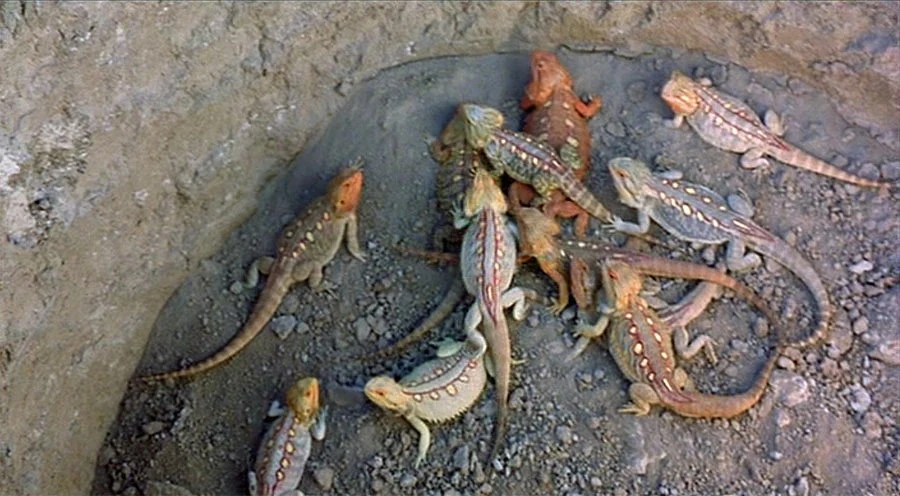
Book
Holes, Louis Sachar
Focus
Reading a novel together, chapter by chapter
Setting
At home — a mother and son reading together
Words Worth Remembering
From each chapter, I usually select just 6–8 words for him to focus on. Visual images help bring the meanings to life, while looking into roots, prefixes and suffixes helps him understand how words are built and connected.
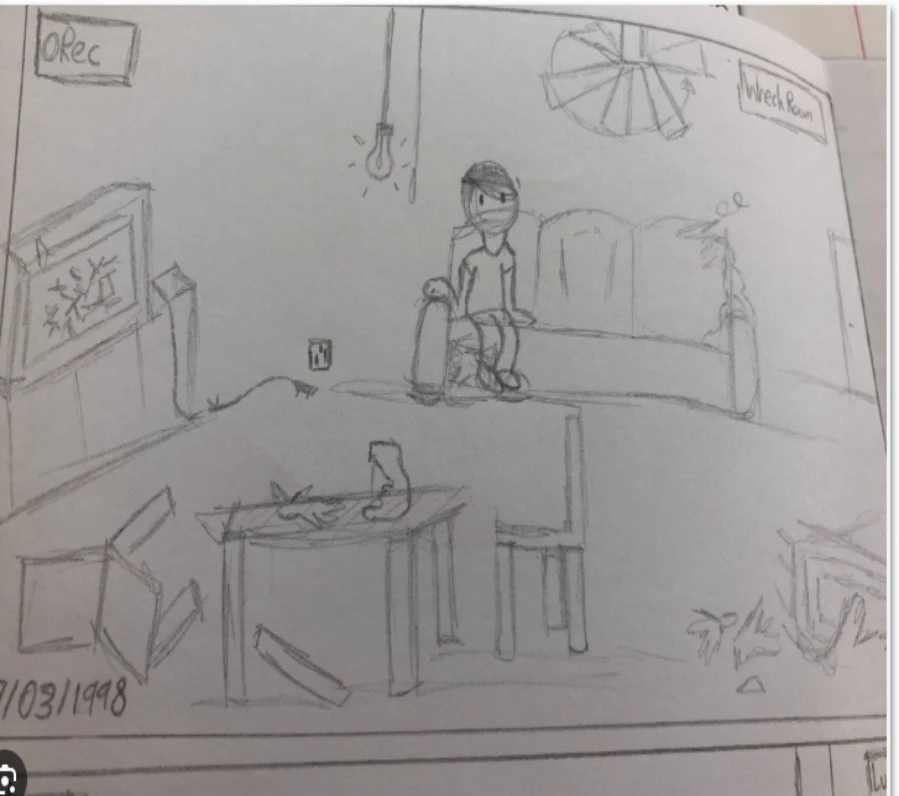
The aim is not to memorise long vocabulary lists, but to notice and remember useful words in the context of a story he enjoys.
Discovering the Language
One thing that makes Holes especially interesting is its language. Compared with Roald Dahl’s writing, its English feels more contemporary. It is full of colloquial expressions, slang and humour that give the novel a distinctly American voice.
We enjoy noticing these expressions and exploring how language creates the humour and atmosphere of the story.

Bringing the Story to Life
Selected screenshots from the film adaptation help us picture the scenes, settings and characters. They also provide visual clues to the meanings of words and expressions.
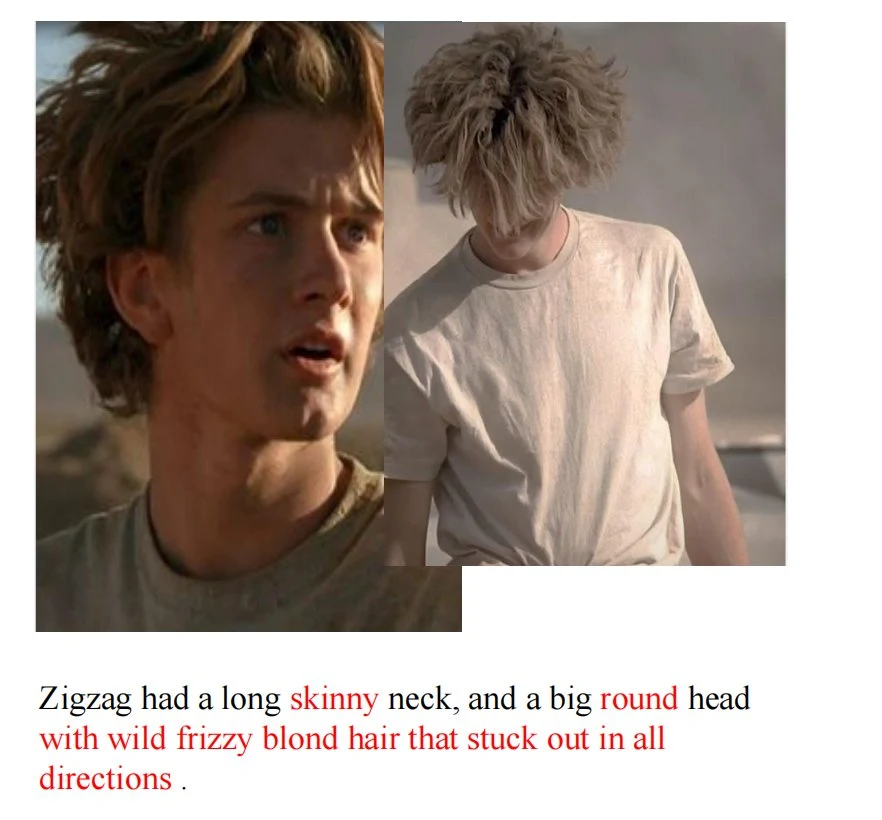
The film offers another way to connect with the story, while the novel remains at the centre of our reading.
A good story gives us something to read,
something to talk about,
and a reason to keep turning the pages.