Sometimes, something we read in a book finds its way into our everyday lives.
The Connection
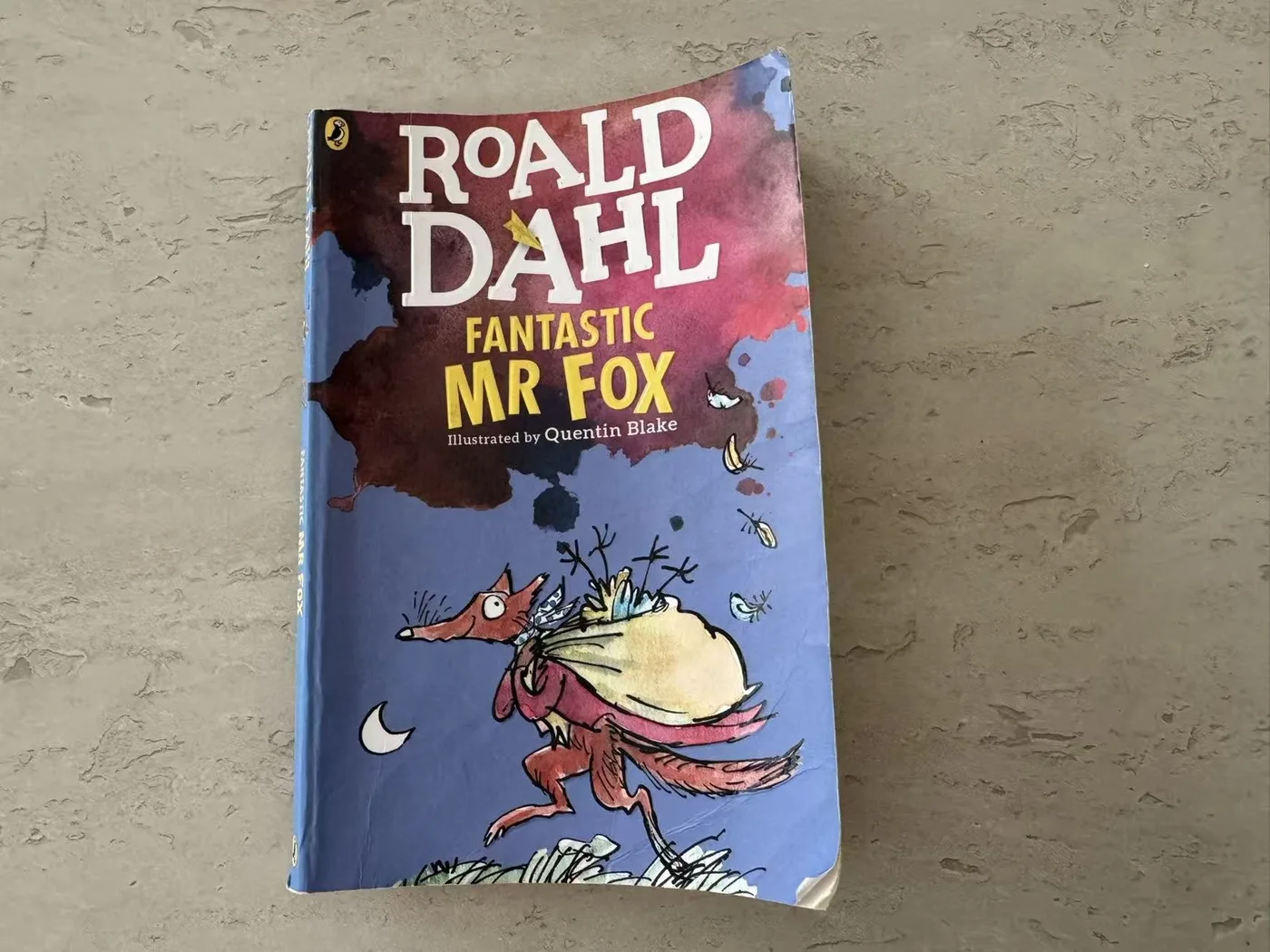
We have recently been reading Fantastic Mr Fox by Roald Dahl. In one of the chapters, Badger expresses his affection for Fox with the words, “I love you, Foxy.”
A simple sentence, but a warm one.
“I love you, Foxy.”
Recently, I asked a friend of mine in Norway, Roald, if he would be willing to record a short video for my young English readers. I hoped he could share a few encouraging words about reading and learning English.
He kindly agreed.
When the video arrived, Jerry and I watched it together.
The Video
Roald sharing a little part of his world with us.
Video shared with permission from Roald.
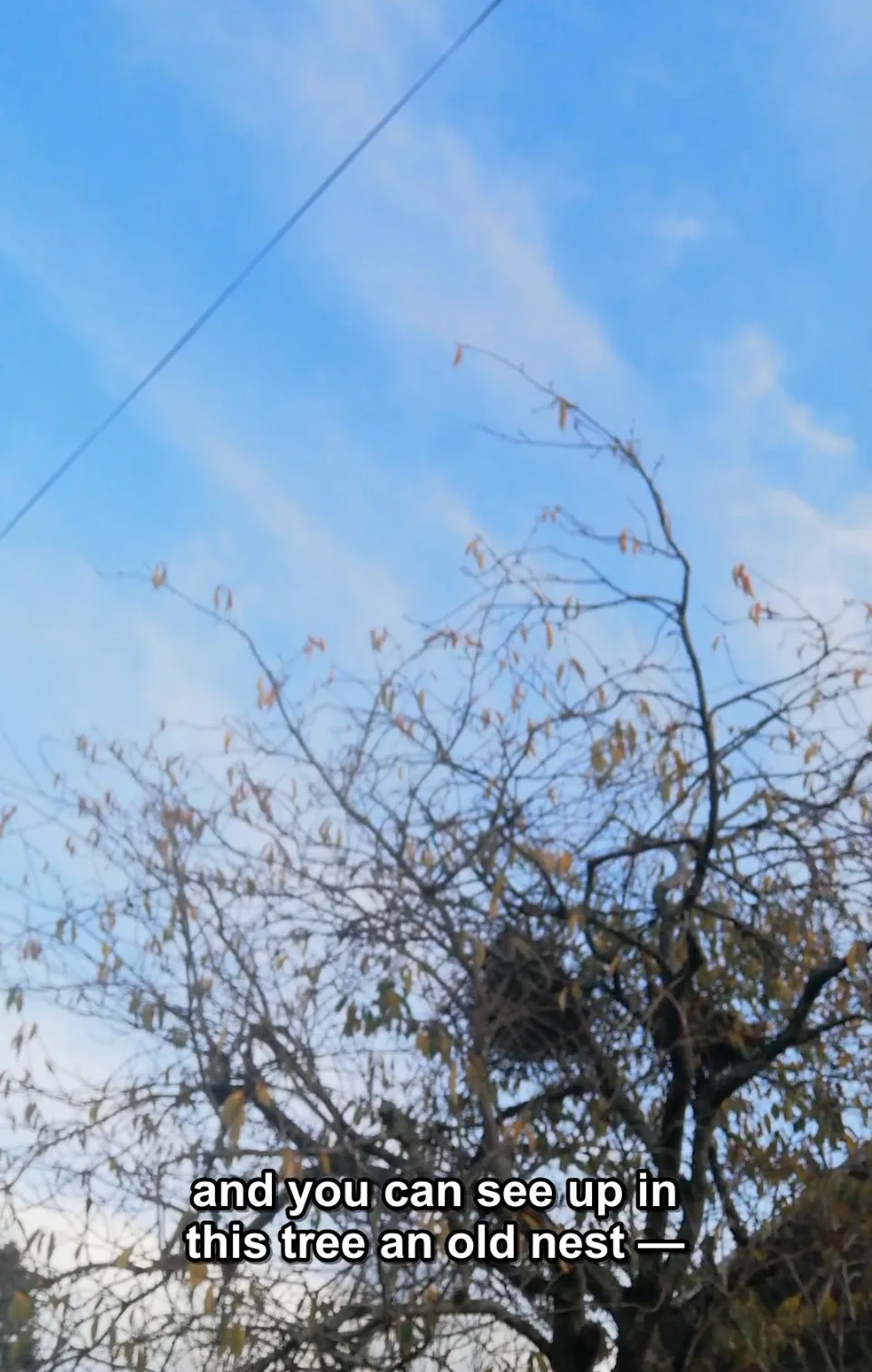
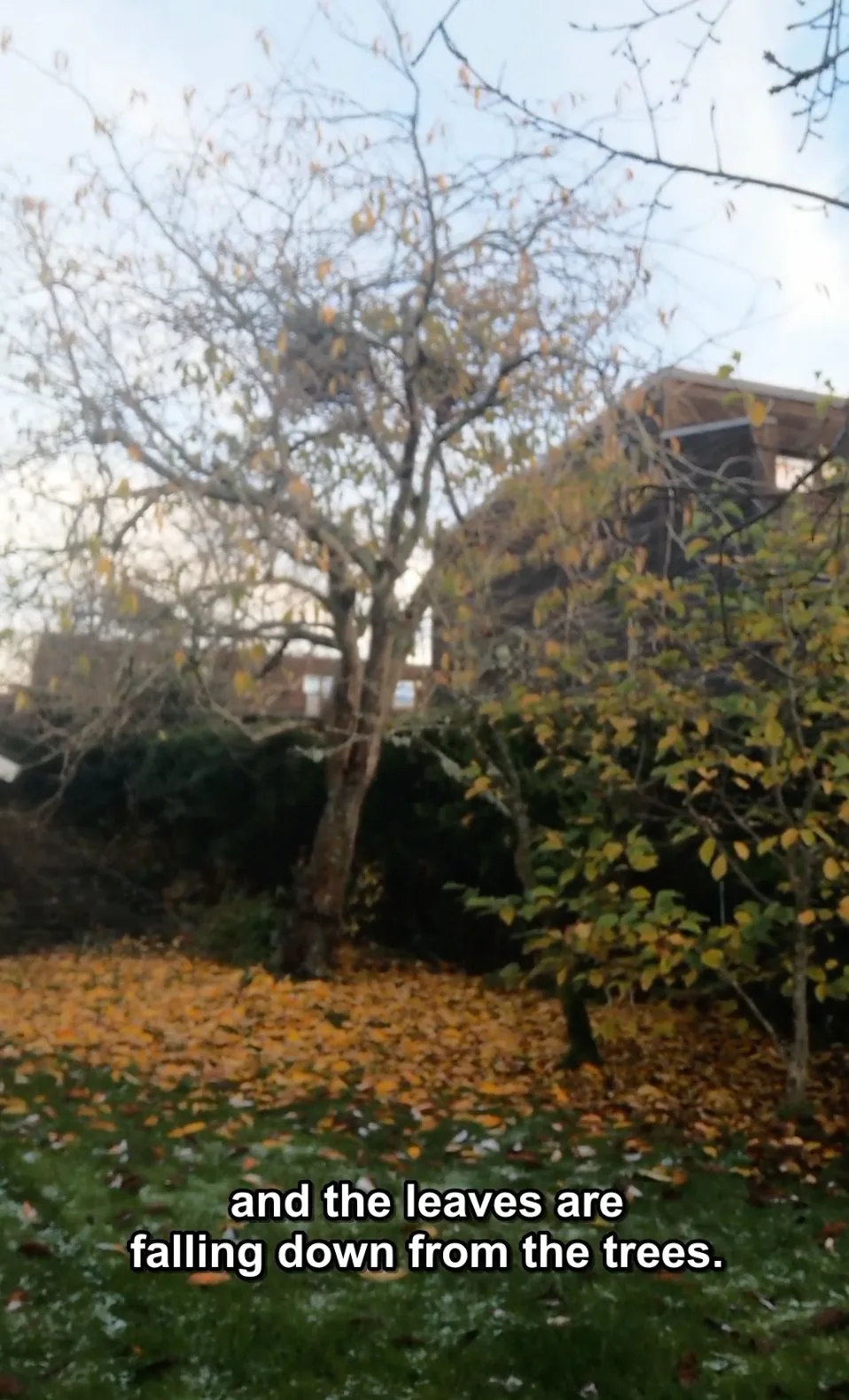
In his video, Roald takes us on a little walk around his garden. We see falling leaves, old birds’ nests in the trees, bamboo, and the surroundings of his home and studio.
Then he speaks directly to the children.
As an artist who has travelled to many countries, he explains that English has helped him communicate with people wherever he goes. He encourages the children to keep learning English and reading books. He even tells them that Charlie and the Chocolate Factory is his favourite Roald Dahl book.
It was such a lovely message, and I know the children will be excited to hear from someone living so far away.
After receiving his video, I sent Roald a little message:
“I love you, Roald!”
It was my playful way of borrowing Badger’s words from our book: “I love you, Foxy.”
And suddenly, a sentence we had read together was no longer just part of a story. It had become a real expression of affection between two friends.
A Small Moment of Interest
After we finished watching, I asked Jerry whether he would like to read an English article together.
He said yes without hesitation.
Nothing dramatic happened in that moment. We simply opened a text and began to read. But I noticed the way he came to it — not because it was time for English, but because something real had just happened in front of him.
A Reflection
This little experience reminded me of something I deeply believe in.
Learning a language is not simply about remembering vocabulary, understanding grammar or getting good marks in an examination.
A language becomes meaningful when we use it to communicate, share ideas, express feelings and build connections with other people.
The children are reading a story by Roald Dahl. Through that story, they have encountered a character called Badger. And now, through a video, they have a glimpse of a real person in Norway who also enjoys Roald Dahl’s books.
The distance between a book and the real world suddenly feels much smaller.
Real people, real experiences and genuine connections can awaken a child’s interest in language learning in a way that a page on its own sometimes cannot.
Perhaps this is one of the things I hope to give my young readers: not just the ability to read English, but the curiosity and confidence to use it to discover the world and connect with people.
Sometimes, a little sentence from a story can travel much further than we expect.
← Back to the Journal