Teaching Projects · 01 Introduction
National Geographic Kids
Reading the World
Real people, places, events and discoveries.
Reading nonfiction opens a window onto the world. Through National Geographic Kids Readers, we explore real people, places, events and discoveries.
Our aim is not simply to finish a book or answer questions, but to help young readers understand what they read, build vocabulary and gradually express what they have learned in their own words.
Look, Wonder and Read
Before reading, we look carefully at the photographs and illustrations. Pictures help introduce a topic, activate what the learner already knows and raise questions about what we are going to read.
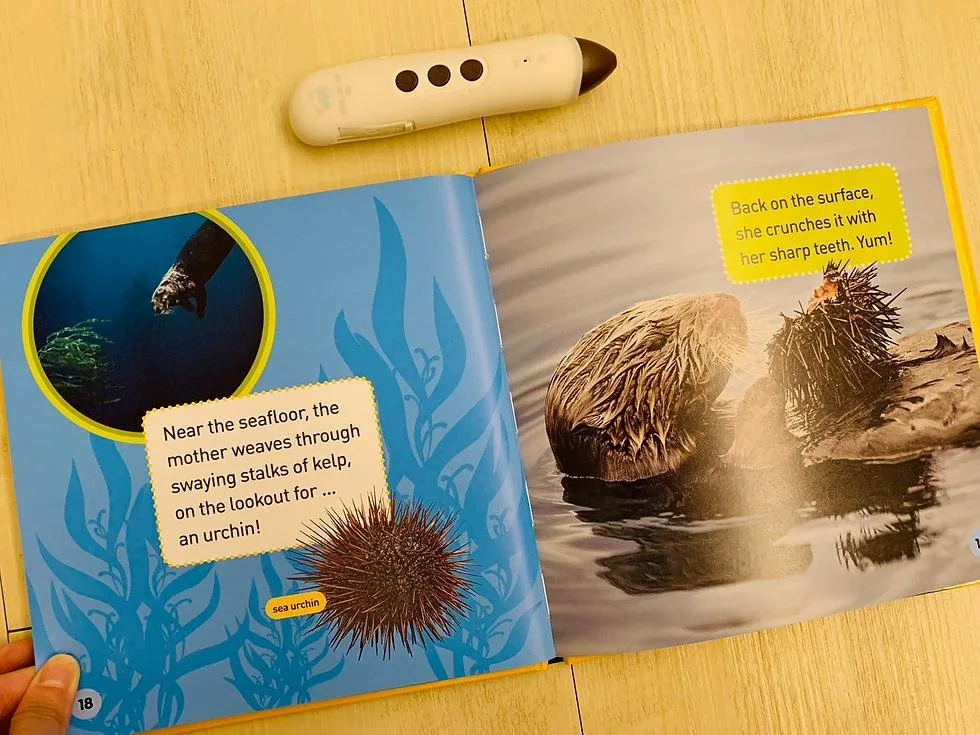
We then read the text together, paying attention to the information and ideas in each section.
Materials
National Geographic Kids Readers, National Geographic Learning
Focus
Understanding nonfiction and building vocabulary
Goal
Retelling what we learn in our own words
Discover Words and Ideas
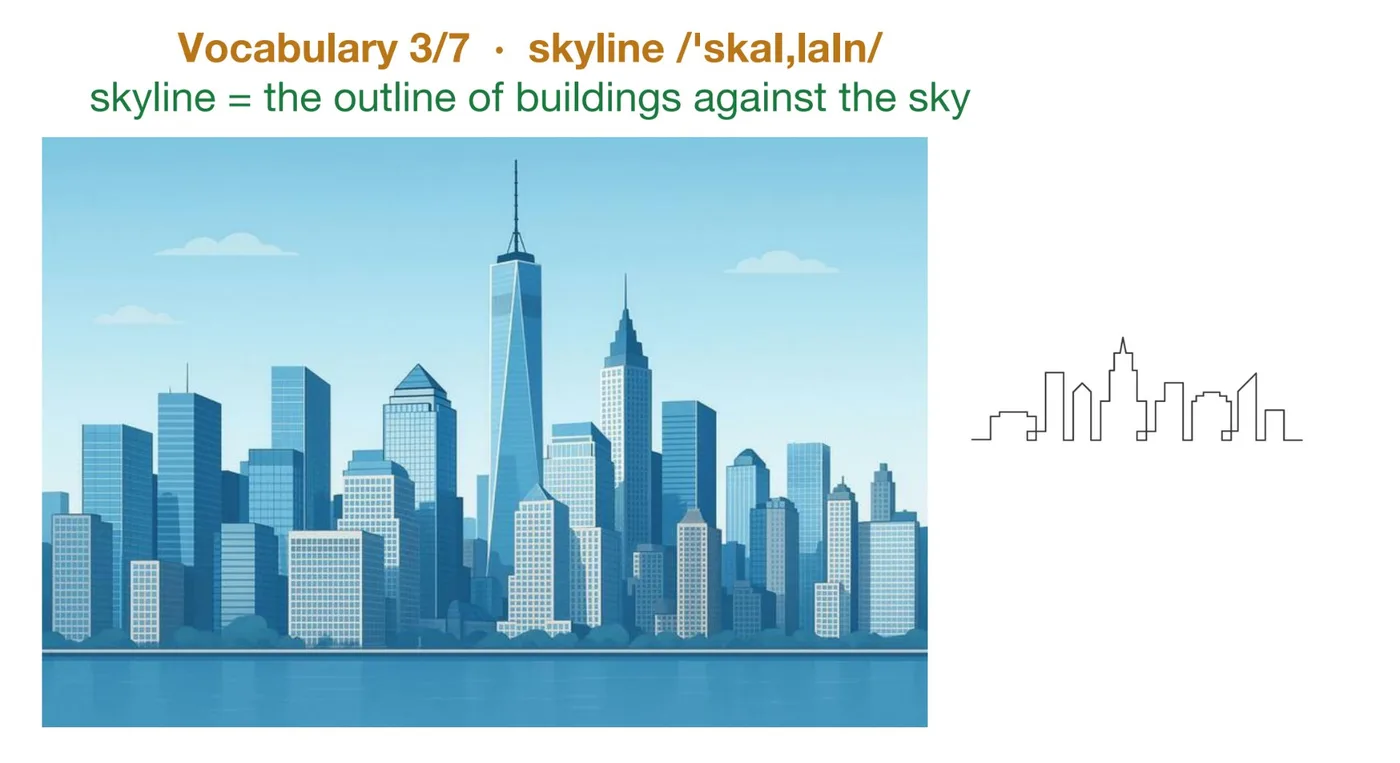
New vocabulary is explored through pictures, context and examples. We connect words with what they describe rather than relying only on translation.
When appropriate, we also look inside words, exploring prefixes, roots, suffixes and word families. Learners begin to notice how words are related and how their parts contribute to meaning.
Organise What We Learn
As we read, we identify important information and look at how ideas connect.
Depending on the text, we may use a simple mind map, timeline or diagram to organise facts, events and relationships. These visual tools help make information easier to understand and remember.
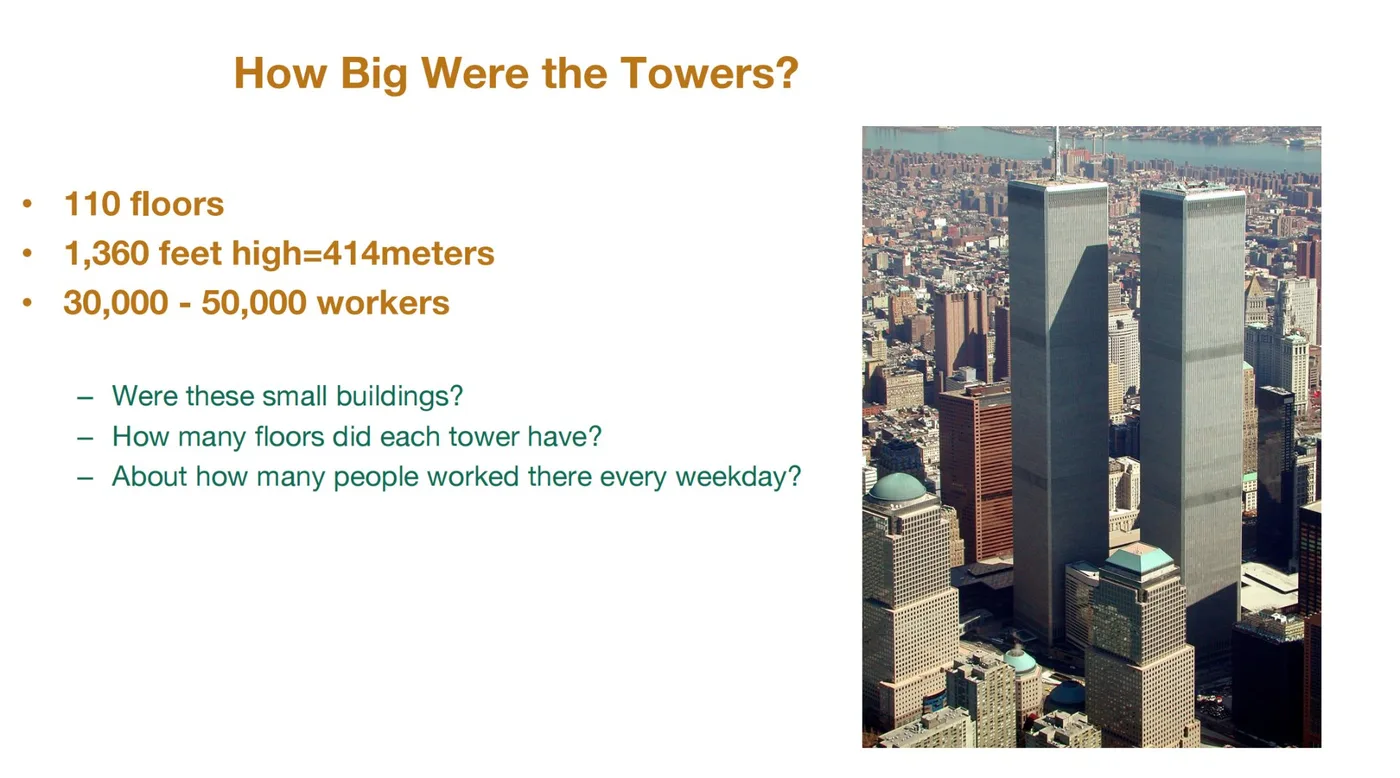
Retell in Our Own Words
After reading, the learner is encouraged to explain what the text is about and share the important things they have discovered.
With pictures, key words or a simple structure as support when needed, the learner gradually learns to retell the information in their own words.
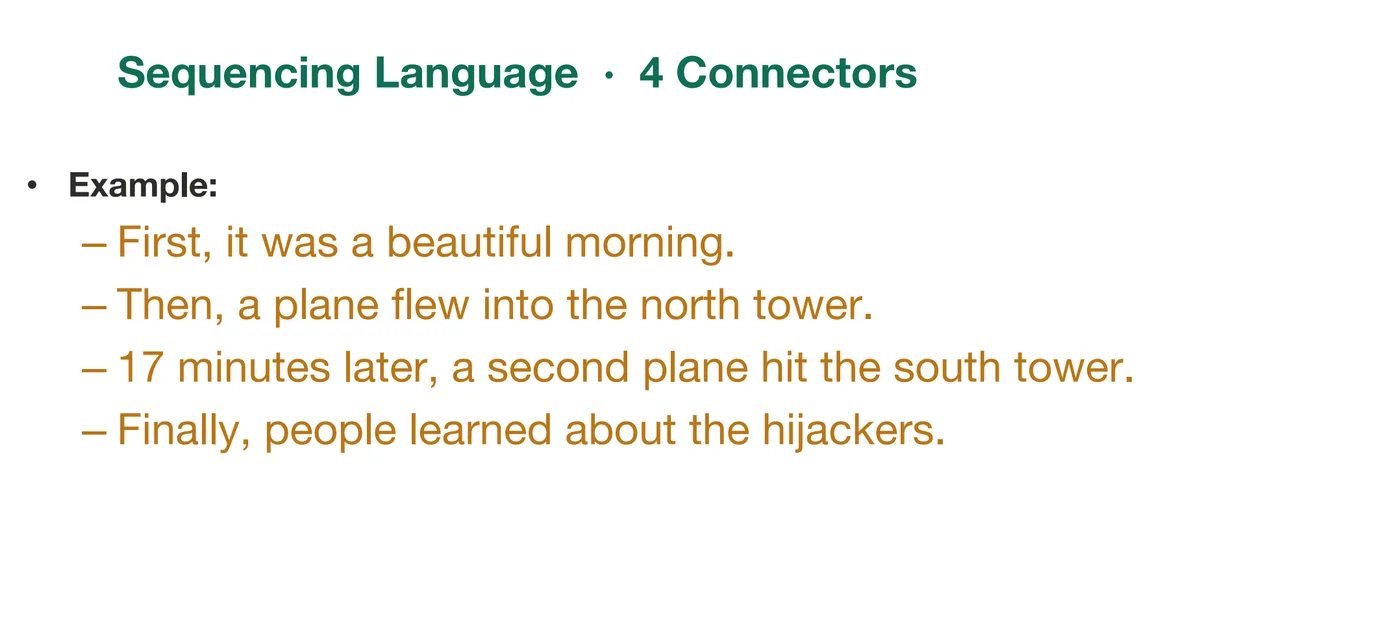
A Reading Journey: September 11
One of our reading projects used the Level 3 book September 11. We planned to explore it over five 30-minute lessons, beginning with “Tuesday Morning” and “A Shocking Event”.
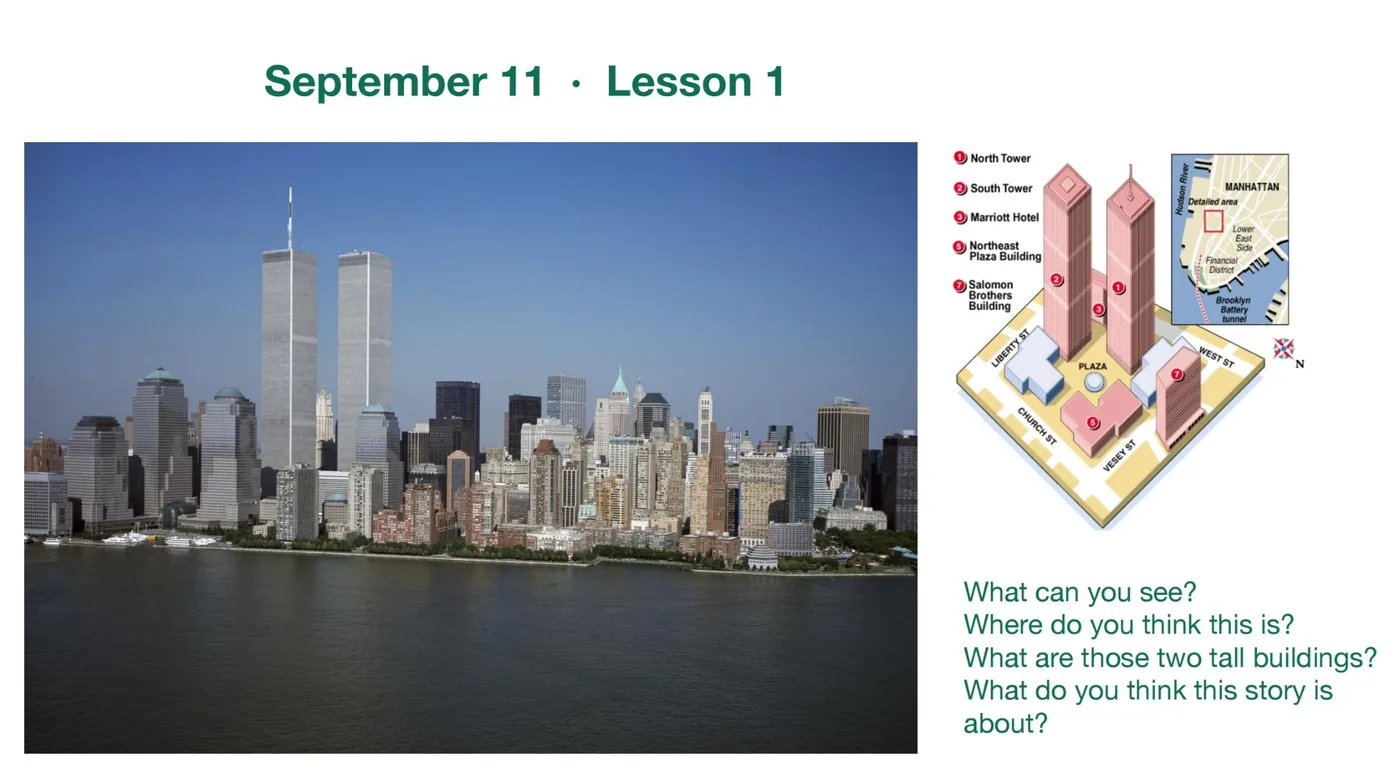
Through photographs, reading and discussion, we approached a difficult historical event step by step, helping the learner follow what happened and understand the information in the text.
For us, nonfiction reading is more than collecting facts. It is a way to become curious about the world, understand what we discover and find the words to share it.
Curious about the world.
Understanding what we find. Finding the words to share it.